All the Flavor. Less of the Caffeine.
Who says great coffee needs caffeine to be enjoyable?
At Ocana Coffee Company, we believe everyone deserves a delicious cup of coffee, whether they're starting their morning, winding down after dinner, or simply choosing to reduce their caffeine intake.
And thanks to modern decaffeination methods, you don't have to sacrifice great flavor to enjoy decaf.
How Is Caffeine Removed From Coffee?
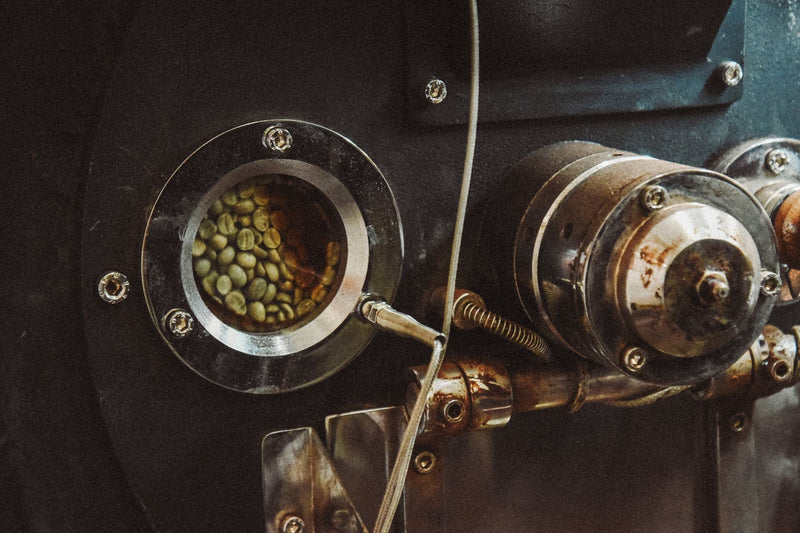
Decaffeination takes place before coffee beans are roasted, while they're still green.
The goal is to remove most of the naturally occurring caffeine while preserving as much of the coffee's original character, aroma, and flavor as possible.
There's more than one way to do it. The most common methods are:
Water processes: Green beans are soaked in water, and the caffeine is filtered out with activated carbon, without added chemicals. Swiss Water and Mountain Water are two well-known versions.
CO2 process: Pressurized carbon dioxide draws the caffeine out of the beans while leaving most of the flavor compounds behind.
Solvent processes: Beans are steamed and rinsed with a solvent such as ethyl acetate (often called the sugarcane process) or methylene chloride, which bonds to the caffeine. The beans are then steamed again to remove the solvent before they're dried and roasted.
Every method has the same goal: take out the caffeine and keep the flavor.
Which Method Does Ocana Use?
Our decaf beans arrive at the roastery already decaffeinated. On occasion we switch to a different decaf bean, so the method can change from one batch to the next.
Curious how the bag in your kitchen was made? Email us at sales@ocanacoffee.com and we'll tell you.
Does Decaf Coffee Still Contain Caffeine?
Yes. Decaffeinated coffee is not necessarily completely caffeine-free.
Decaffeination removes the vast majority of the caffeine, typically 97% or more, but the finished cup may still contain a small amount, usually just a few milligrams.
The exact amount in your cup depends on the coffee, serving size, and brewing method.
For most coffee lovers looking to significantly reduce their caffeine intake, decaf provides a way to enjoy coffee with substantially less caffeine than regular coffee.
Does Decaf Coffee Taste Different?
Decaffeination can influence coffee's flavor, but that doesn't mean decaf has to taste bland or weak.
Bean quality, processing, roasting, and brewing all contribute to the finished cup.
A well-prepared decaf coffee can still offer the rich chocolate, caramel, nutty, and other flavor characteristics that make coffee enjoyable.
At Ocana, we approach decaf with the same passion for flavor that inspired three friends to begin roasting coffee in a garage.
Because great-tasting coffee matters, with or without caffeine.
Discover Ocana's Reserve Espresso Decaf
Rich Espresso Flavor. Without the Caffeine Kick.
Our Reserve Espresso Decaf is a Brazilian coffee offering the rich, satisfying character espresso lovers enjoy, with substantially less caffeine.
Coffee Profile
Origin: Brazil
Coffee Style: Decaf Espresso
Tasting Notes: Toasted Caramel, Sugar Cane, Chocolate
Acidity: Low
Strength: 4/5
Enjoy it as a traditional espresso or combine it with steamed milk for a smooth, flavorful decaf latte or cappuccino.
Whether you're reducing your caffeine intake or looking for an evening coffee, Reserve Espresso Decaf is a delicious addition to your routine.
Great Coffee Doesn't Have to Be Complicated.
At Ocana Coffee Company, we believe choosing your favorite coffee should be about enjoying the flavors you love.
From our home in Sumner County, Tennessee, we're proud to share coffees crafted for a variety of tastes and preferences.
Whether you're looking for a smooth medium roast, rich espresso, or flavorful decaf, we invite you to explore our collection.