Let's Clear a Few Things Up
Let's be honest: coffee comes with a lot of advice. Grandma had her rules. Your coworker has opinions. The internet has, well, everything. Somewhere along the way, a few coffee "facts" got repeated so many times that everybody just started believing them.
Some of these myths are harmless. Others are quietly sabotaging your morning cup. So grab a mug (trust us, you'll want one) and let's clear a few things up.
Myth #1: "Dark roast has more caffeine."
We get it. Dark roast tastes big and bold, so it feels like it should hit harder. But roasting barely changes the caffeine in a bean. That rich, smoky flavor? That's the roast talking, not extra caffeine.
Here's the fun twist: it can actually go the other way. Lighter roast beans are denser, so a scoop of light roast packs in a little more coffee (and a little more caffeine) than a scoop of dark. Weigh your beans instead of scooping, and the difference all but disappears.
The takeaway: Pick your roast for flavor. Your caffeine fix will be just fine either way.
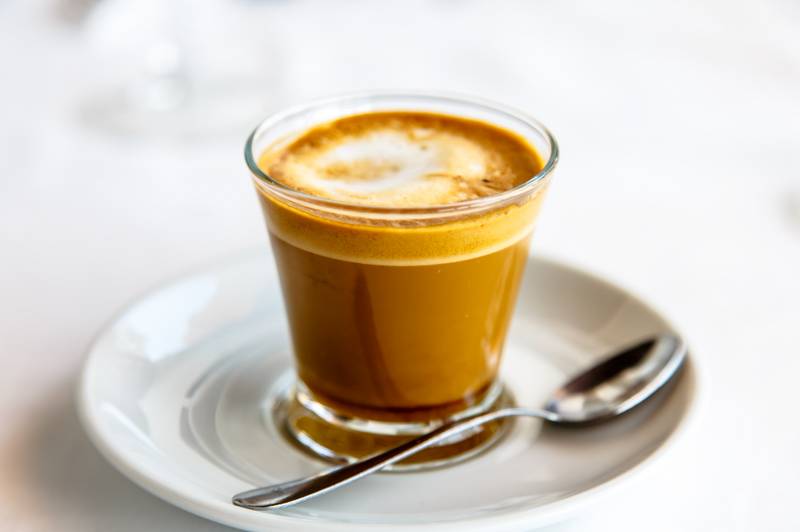
Myth #2: "Espresso has more caffeine than regular coffee."

Ounce for ounce? Sure. Cup for cup? Nope.
A single shot of espresso is about one ounce and carries roughly 60 to 65 mg of caffeine. A regular 8 oz cup of drip coffee carries roughly 95 mg. Espresso is concentrated, not supercharged. Even a double shot lands right around where your everyday cup of coffee does.
The takeaway: That afternoon espresso isn't the rocket fuel you think it is. (Sorry.)
Craving a shot anyway? Our Reserve Espresso brings notes of toasted caramel, sugar cane, and chocolate for a smooth afternoon pick-me-up.
Myth #3: "Coffee dehydrates you."
This one has been around forever. Yes, caffeine is a mild diuretic. But a cup of coffee is mostly water, and for regular coffee drinkers enjoying it in moderation, that water more than makes up the difference. Research on everyday coffee drinkers has found they stay about as hydrated as folks drinking plain water.
The takeaway: Keep drinking water through the day, of course. But you can stop side-eyeing your morning cup.
Myth #4: "Keep your coffee in the fridge or freezer."

We're going to say it gently: the fridge is one of the worst places for your coffee. It's damp in there, and coffee beans soak up moisture and smells like a sponge. Nobody wants a latte with notes of last night's leftovers.
The freezer can work for long-term storage, but only if your coffee is sealed airtight, split into portions, and never thawed and refrozen. Every trip in and out creates condensation, and condensation is not your friend.
The takeaway: Give your coffee a cozy, boring home: an airtight, opaque container at room temperature, away from the stove and sunny windows. Then enjoy it within a few weeks.
Myth #5: "Boiling water makes the best coffee."

Hotter must mean better, right? Not quite. Water at a full, rolling boil is a little too intense for coffee. It pulls out the bitter stuff, especially in a French press or pour-over. The sweet spot is about 195 to 205 °F.
The takeaway: No thermometer needed. Just let your kettle sit for about 30 seconds after it boils, then pour. Your taste buds will thank you.
Myth #6: "The fresher the roast, the better. Brew it the same day!"
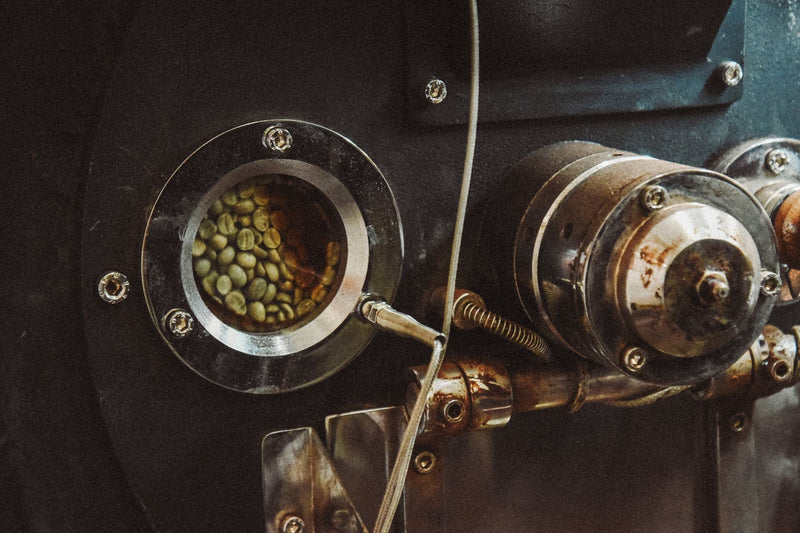
Freshness is a huge deal, but believe it or not, there's such a thing as too fresh. Right after roasting, beans are still releasing carbon dioxide. Brew them too soon and that gas gets in the way of an even extraction, especially for espresso.
A few days of rest lets the beans settle in. From there, flavor is at its best over the next few weeks, then slowly fades.
The takeaway: Fresh is best, just not oven-fresh. And when you're shopping, a roast date tells you way more than a "best by" date ever will.
Myth #7: "Shiny, oily beans are the freshest."

Those glossy beans sure look fresh. But that shine usually tells you about the roast, not the freshness. Darker roasts naturally push oils to the surface, so they look shiny even when they're perfectly fresh. And a lighter roast that looks oily? It might just be getting old.
The takeaway: Check the roast date and trust your nose. Fresh coffee smells rich and sweet the second you open the bag.
Myth #8: "Coffee will stunt your growth."
If you heard this one as a kid, you're in good company. But there's no scientific evidence behind it. The idea is often traced back to early 1900s advertising for a coffee substitute, which blamed coffee for just about every problem under the sun so it could sell its own product.
The takeaway: Great marketing. Totally made up.
So, How Many Did You Believe?

Be honest. We won't tell. The good news is that great coffee doesn't take secret tricks or fancy gear. It takes good beans, stored well, and brewed with a little care. Skip the fridge, give your kettle a breather, and choose your roast by how it tastes, not how strong you think it is.
Want to know what happens to a bean before it ever reaches your mug? Check out our post on the coffee roasting process. And when you're ready to put these tips to work, browse our coffees to find the roast that fits your mornings. Or start a subscription, so fresh coffee shows up before you run out.
Know someone who still keeps their coffee in the fridge? Go ahead and send this their way.